
Applecross Pre-Kindy and Childcare Philosophy
Nurturing the Changemakers and Entrepreneurs of Tomorrow
Applecross Pre-Kindy and Childcare follows a curriculum built on ten guiding principles, honouring the Early Years Learning Framework while focusing on identity, problem-solving, resilience and environmental responsibility. The centre is rated Meeting NQS and takes children aged 18 months to 6 years.
We want children connected to their community and culture, respectful of the environment and aware of the impact their choices have. Most of all, we want children to recognise their own power to shape their world and grow into thoughtful caretakers of the people and places they love.
What we believe
Childhood is the foundation everything else is built on.
We are a standalone educational learning centre, and our purpose goes further than caring for children. The way a child learns to understand themselves, connect with others and make sense of their world becomes the blueprint for who they grow into. Our work is to build those qualities from the very beginning.
Our vision is to raise children who will be the future changemakers and entrepreneures. Children who:
know themselves
stay curious
show compassion
think creatively and
keep trying when things feel hard.
Children lead the way
We see every child as capable and powerful.
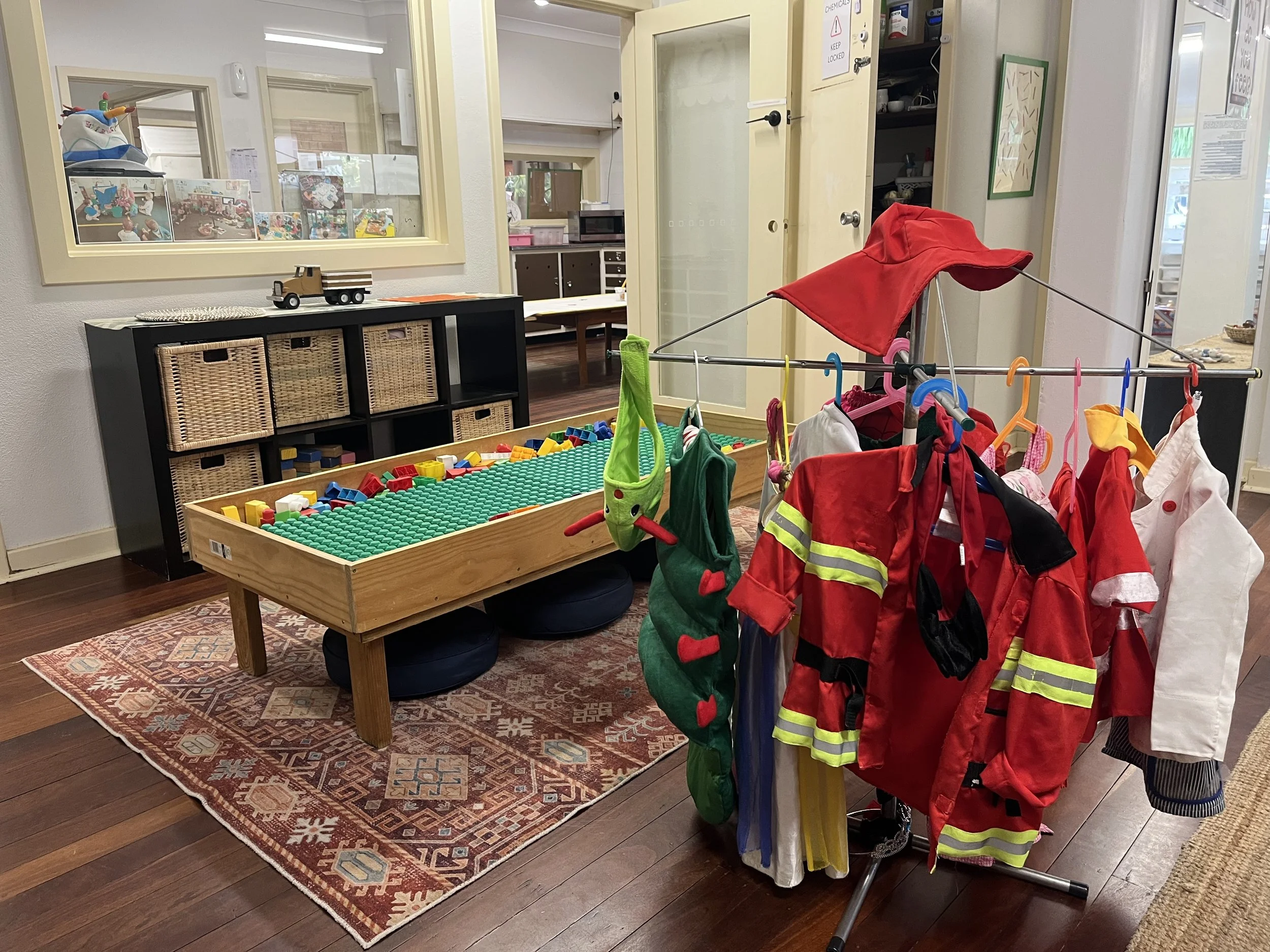
Their play, their questions and their ideas show us what they are ready to learn next. Our role is to create an environment that invites exploration, sparks curiosity and gives children the freedom to test, try, imagine and discover.
When children play, they reveal their thinking. Educators stay close, observe deeply and respond with intention. We see behaviour as communication, emotions as information and curiosity as the starting point for learning. In these moments, we help children name and navigate their feelings, understand their choices, explore concepts more deeply and make sense of their world.
Inquiry is central here. “How?” and “Why?” matter, and “I wonder…” is our power phrase. Wondering aloud opens space for children to be curious, investigate, see different perspectives, notice real problems and work toward solutions that consider other people, animals and the environment.
When challenges arise, educators act as facilitators. We guide children to problem‑solve together, stay steady through big feelings and recognise the value of effort over the finished product. The tower that fell four times before it finally standing is where the learning sits.
This is how children grow into confident thinkers and compassionate changemakers — capable of shaping their world with curiosity, courage and care.
Educators and families, working together
Families know their child best; educators bring professional insight and intentional teaching. Together, we create a circle of support that helps children lead their own learning with confidence.
We honour each family’s identity, culture and way of seeing the world, and this partnership shapes the environment children learn in.
Difference is part of everyday life here, in the languages spoken, the food families pack and the expressions of identity. Children grow up seeing it as normal and learn to value perspectives unlike their own and feel comfortable working alongside people from many backgrounds.
The tone we set, the curiosity we model and the relationships we build all strengthen how children come to understand themselves.
Together, we create a place where children feel safe, seen and supported and where their learning is strengthened by the adults who stand beside them.

Caring for the world they will inherit
Looking after children means looking after the environment they are growing into.
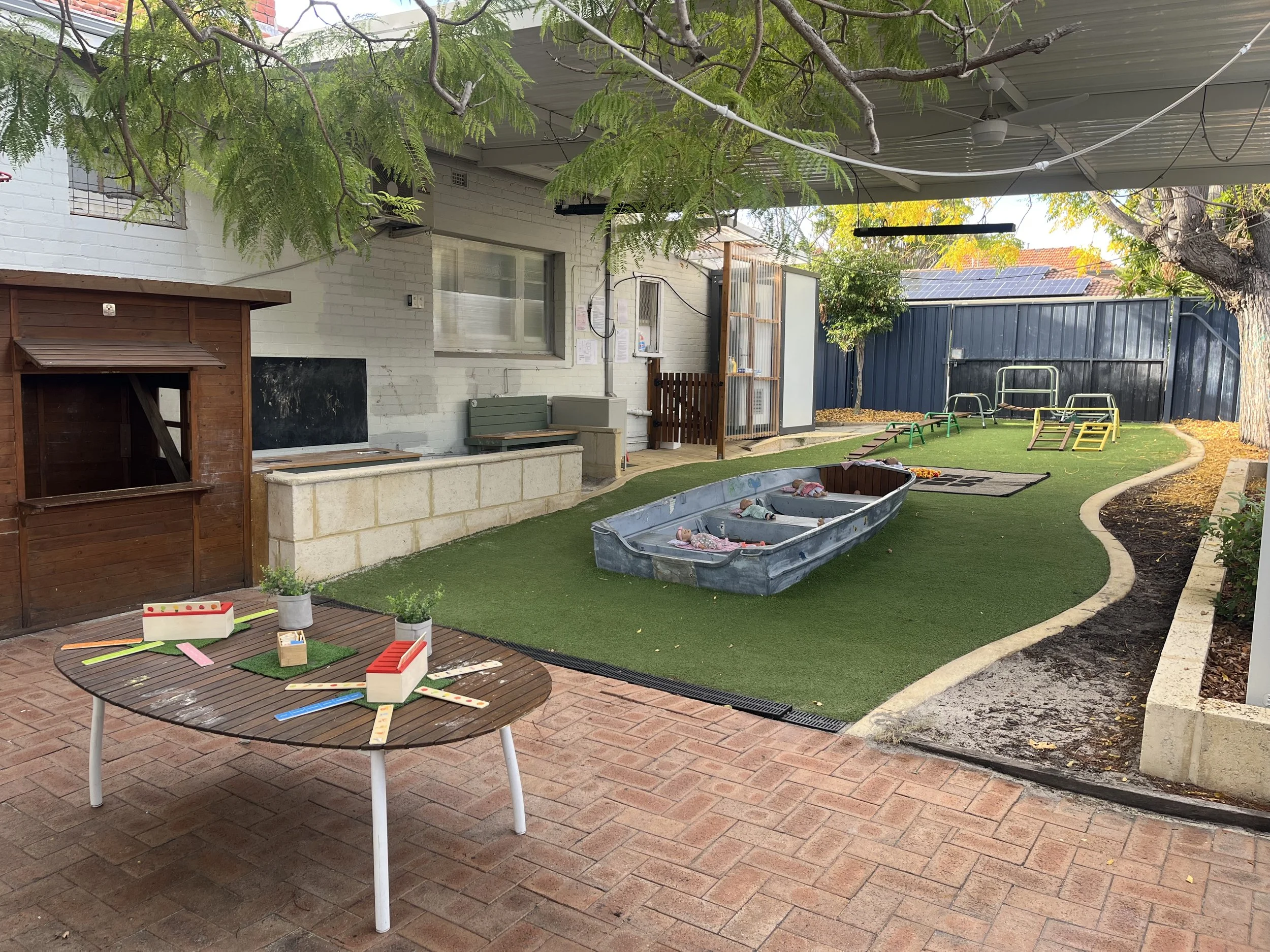
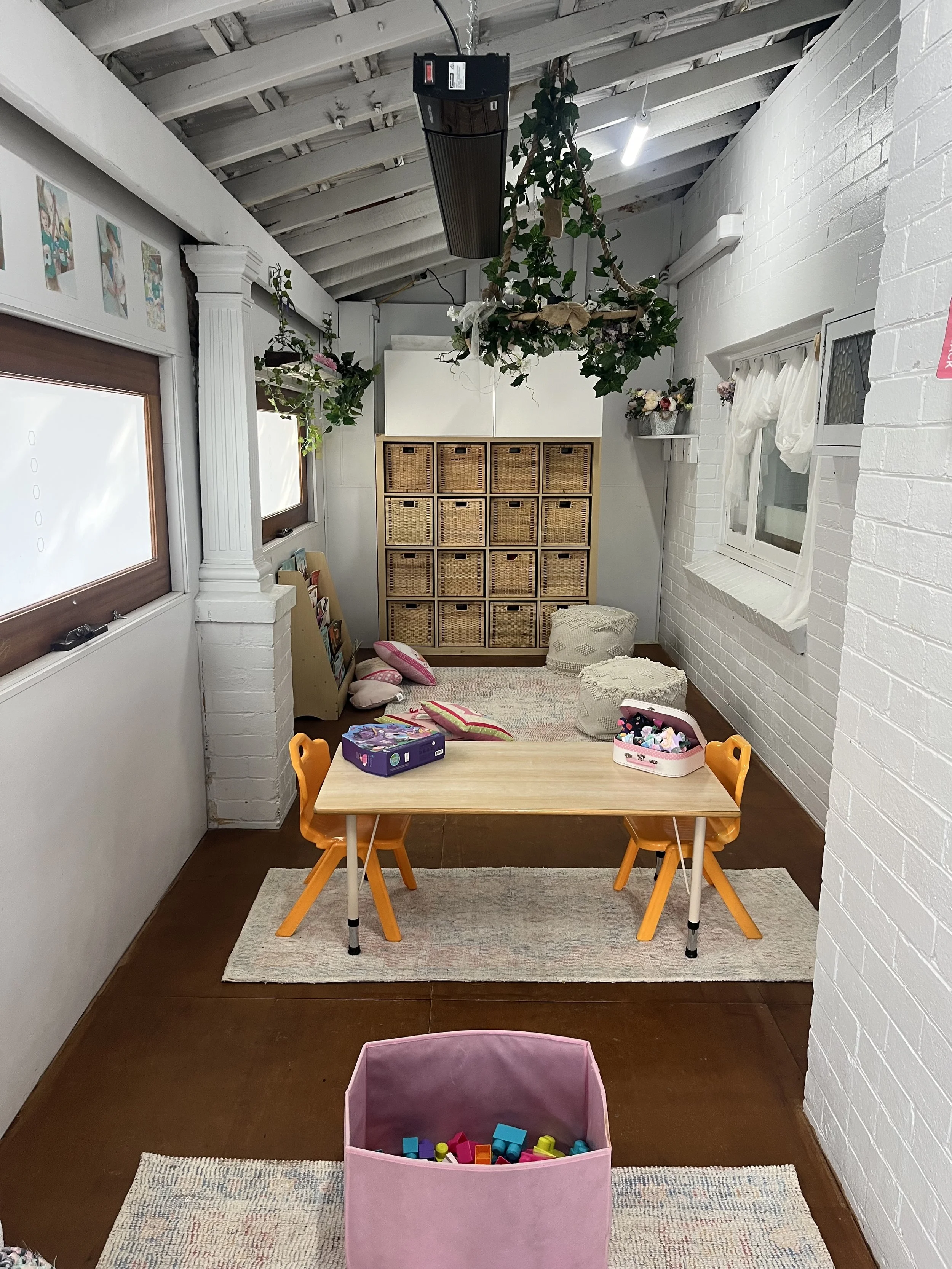
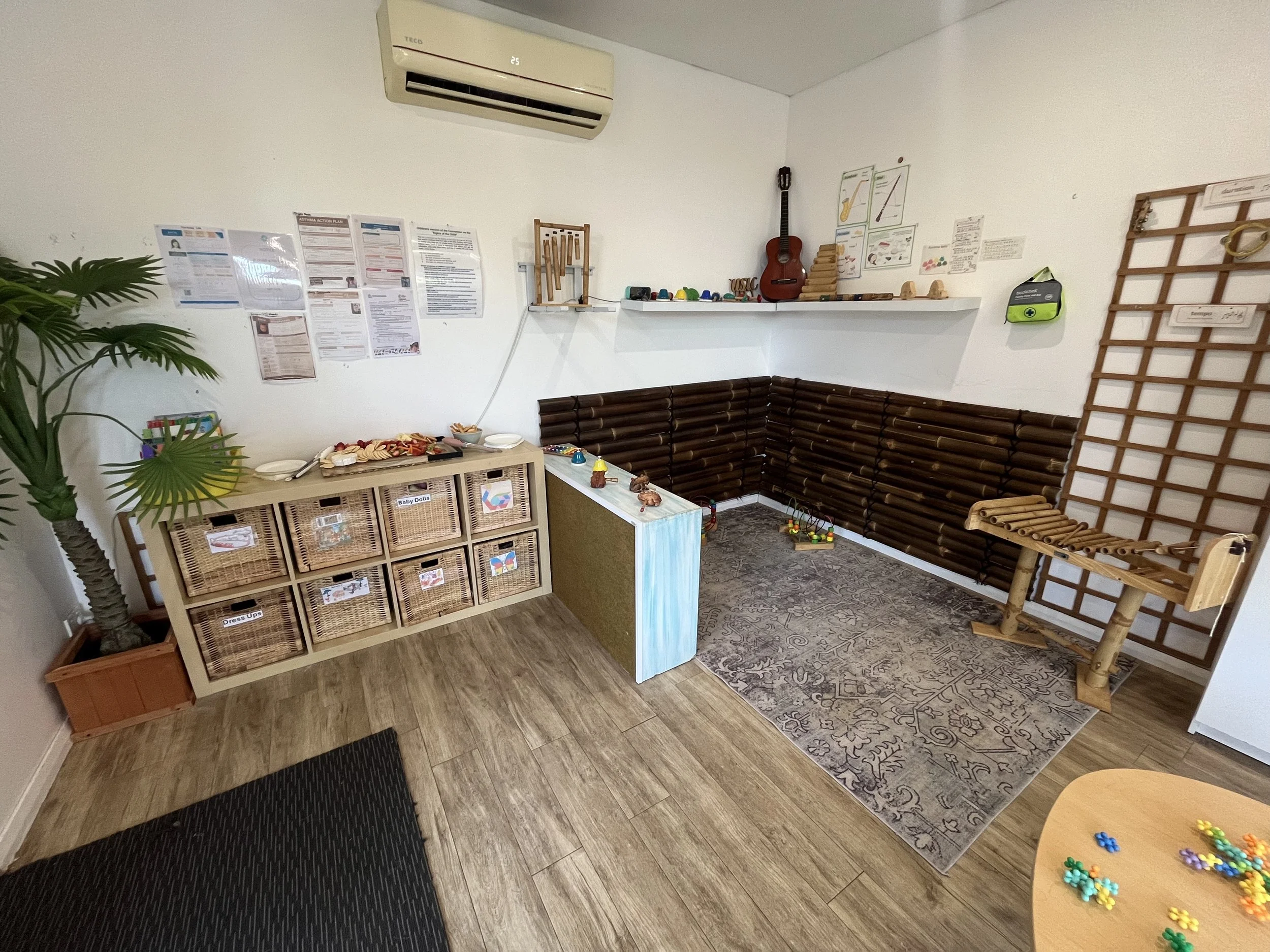
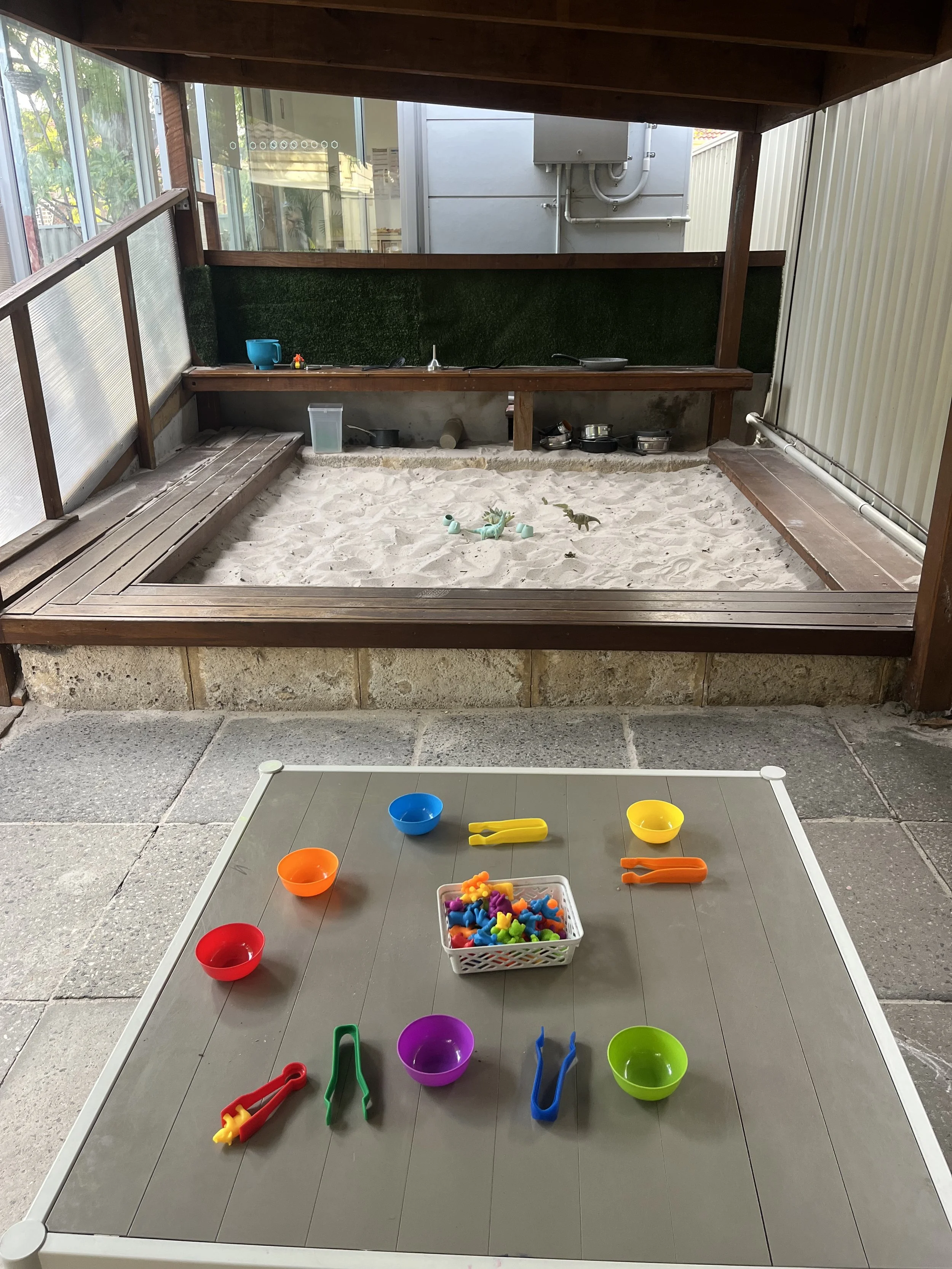
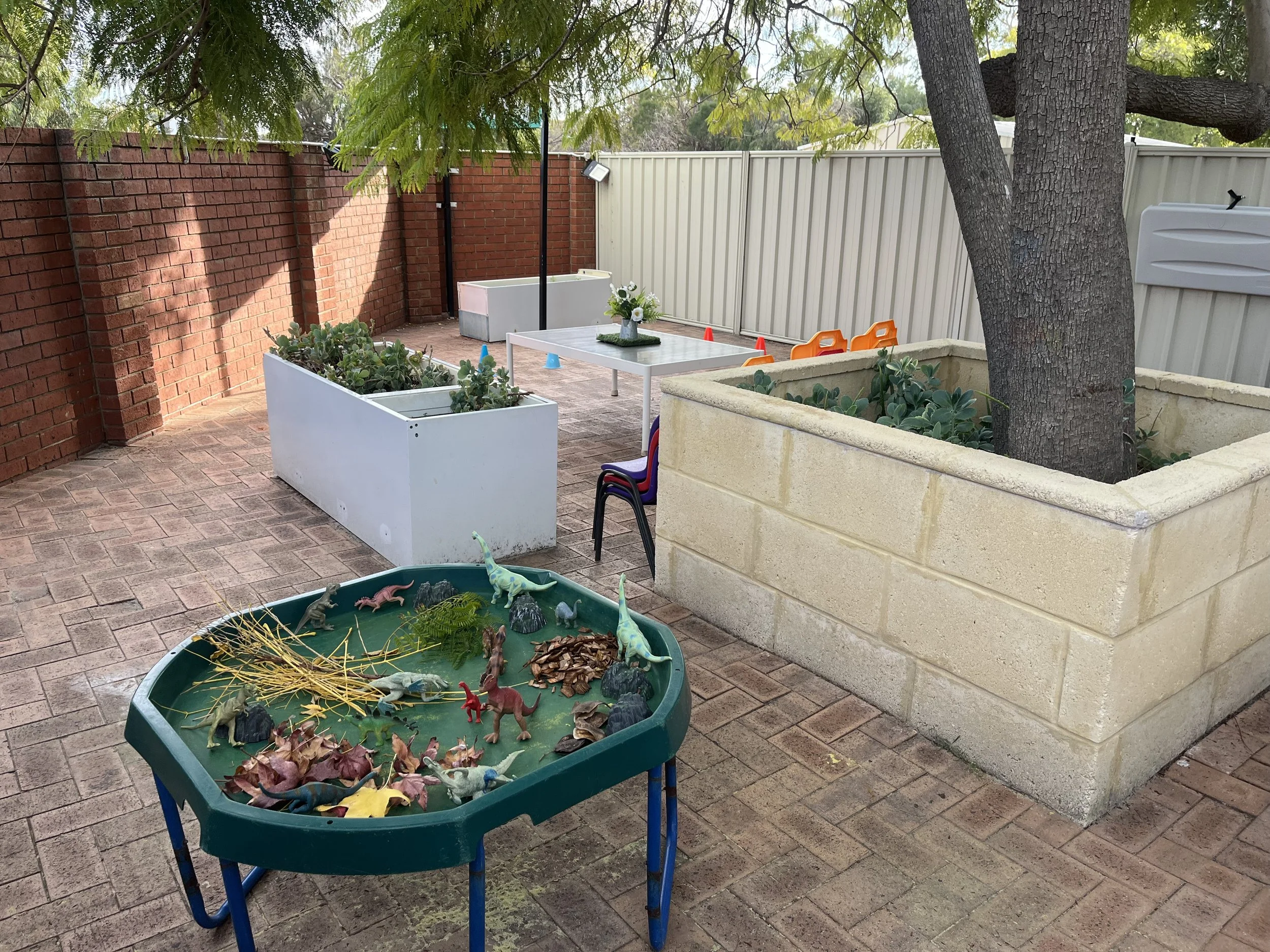
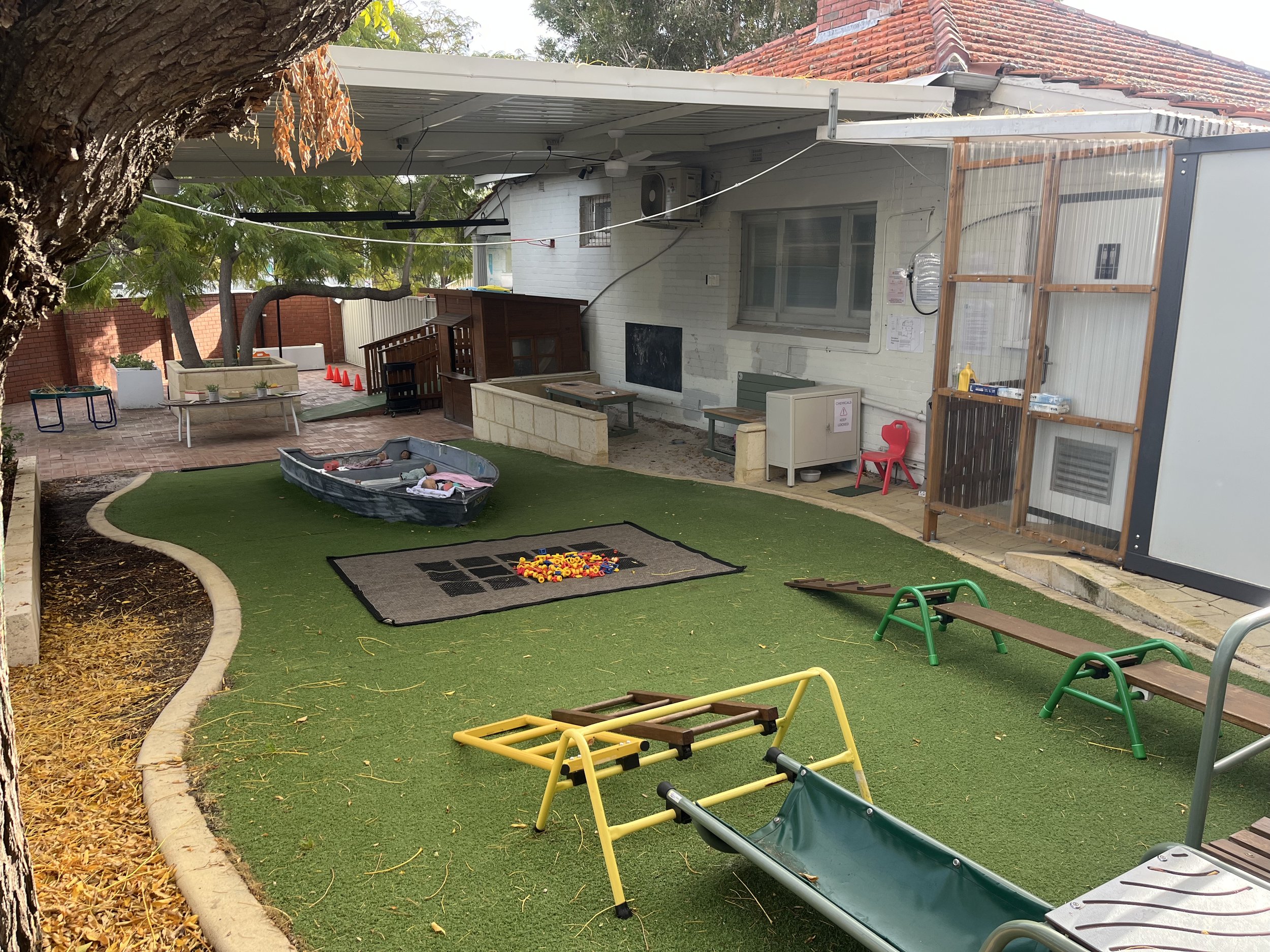
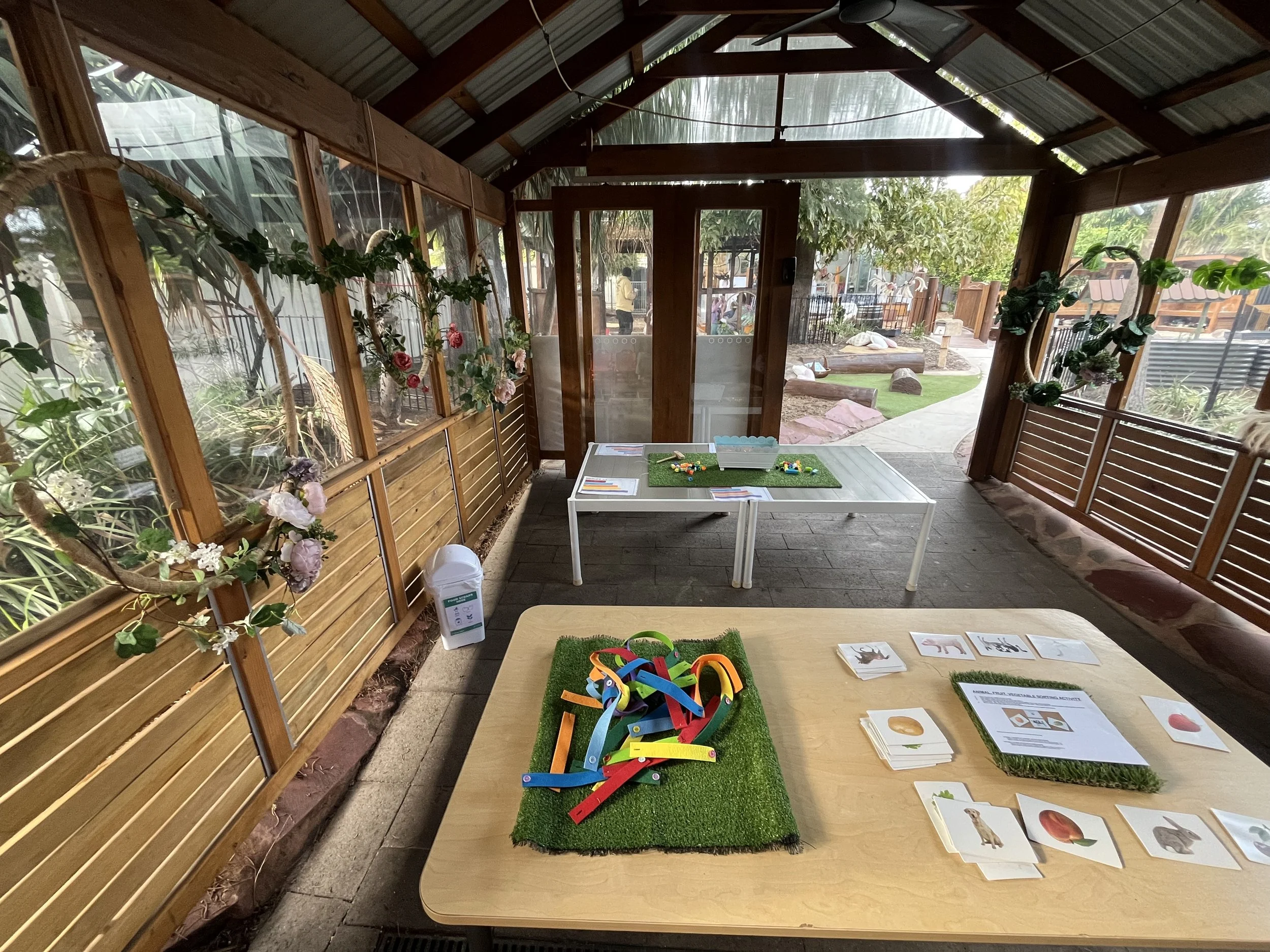
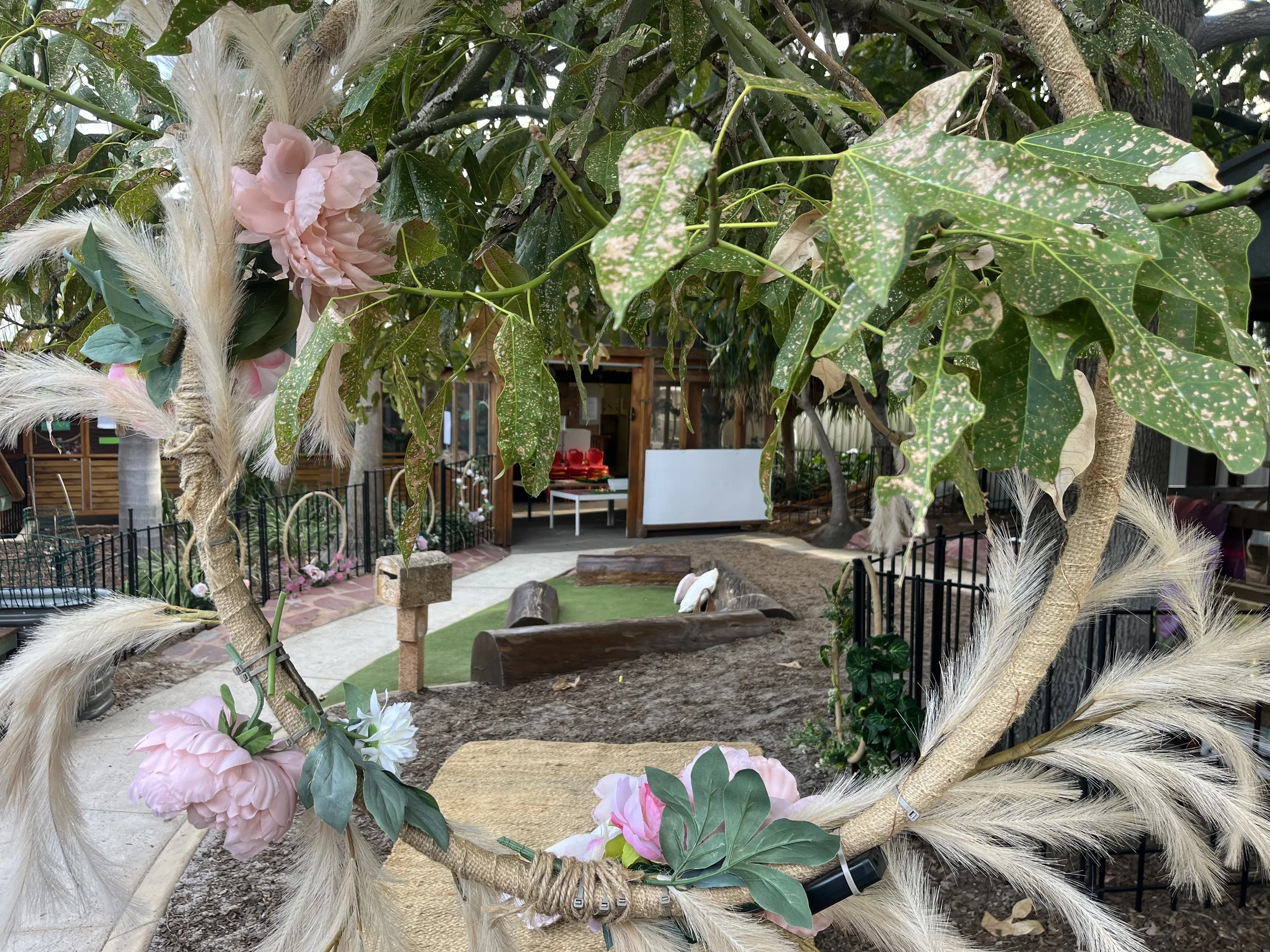
The environment is our third teacher. Rooms and outdoor spaces are set up on purpose, with natural materials, real tools and room for children to work with each other. Our commitment to enhancing our outdoor spaces is unfolding with natural elements replacing manufactured and hard surfaces.
Our outdoor spaces are designed with intention. Natural ground, uneven surfaces and materials that can be moved, carried and re‑imagined ask something real of a child’s body and mind. These environments strengthen balance, build resilience, support immune health and give children the behavioural space to settle, focus and stay with their ideas for longer.
Sustainable practice here is everyday rather than occasional. Children plant, water, compost, notice what the birds are doing and work out where things come from. They watch something fail and try it differently. They learn that their choices land somewhere.
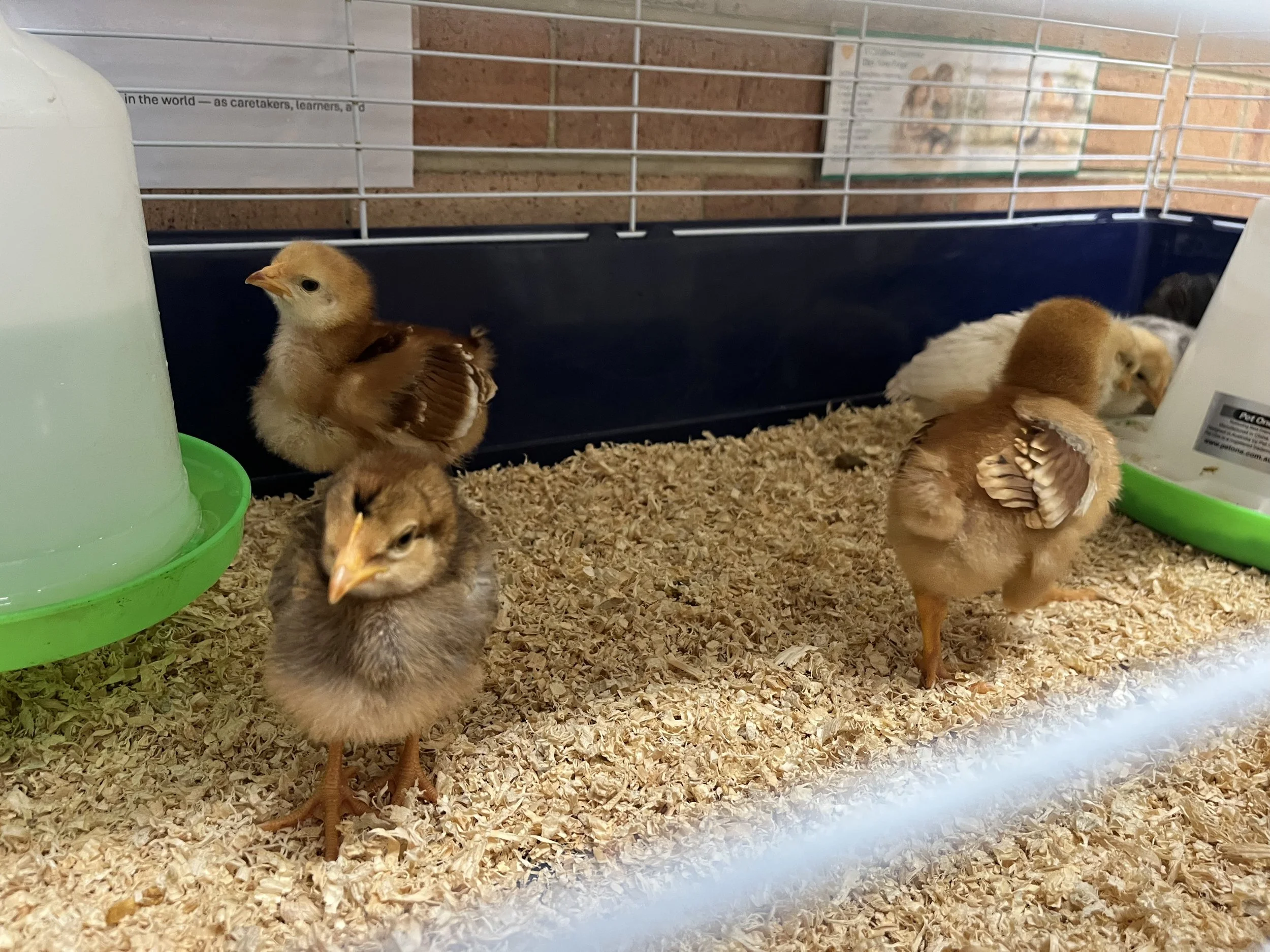
Our nature playground and native planting exist for this reason as much as for play. A child who has looked after a patch of ground or a chick from egg to hen, grows into an adult who understands why it matters.
What world-ready looks like
World‑ready children step into new situations with a sense of possibility. They ask questions, test ideas, collaborate, negotiate and keep going when things feel hard. They make choices with awareness, act with care and take responsibility for the impact they have. They know how to steady themselves, how to listen, how to lead and how to work alongside others.
Most importantly, they recognise that they can shape what happens next — in their friendships, in their community and in the world they are growing into. That sense of agency is built here, in the everyday moments where children try, reflect, adjust and try again.
This is what world‑ready looks like: children who don’t just understand the world, but know how to move through it with courage, curiosity and purpose.
This is where it begins
Your child's future does not start at school. It starts here, in their relationships, in their play, in their questions, and in the way we speak to them, listen to them and believe in them.
It starts in the way they learn to care for themselves, for other people, and for the world they live in.