
Connecting Young Minds with Nature: Our Perth Zoo Conservation Journey
Your children could be taking action for WA wildlife through Perth Zoo’s Habitats for Wildlife program.
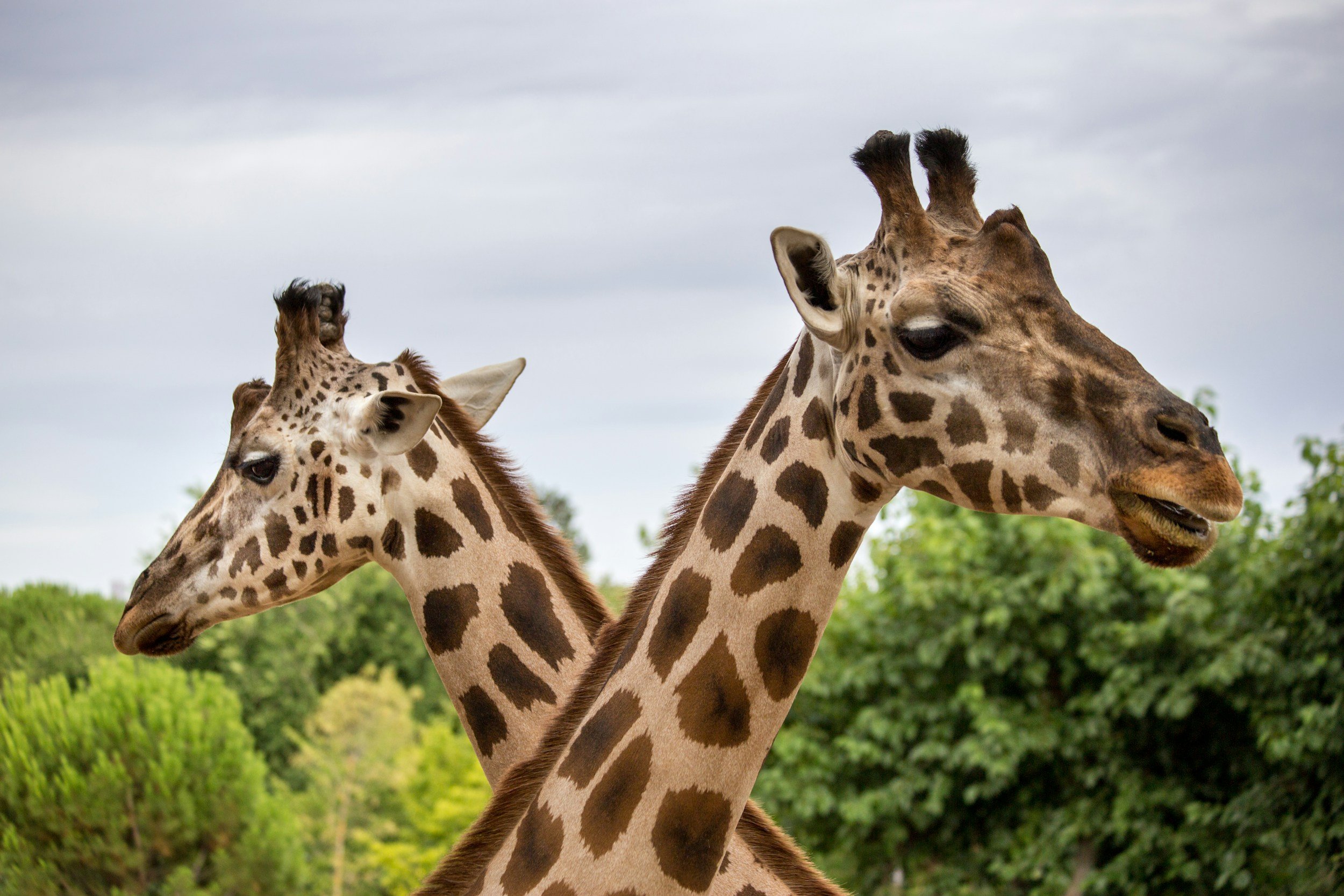
As an extension of our hands-on curriculum, our Kindy children step into the role of young conservationists through Perth Zoo’s Habitats for Wildlife initiative.
Through this program, our children don’t just observe nature—they learn how habitats function, why local species need protection, and how human choices impact living creatures. Seeing magnificent animals up close builds empathy, respect, and a lifelong curiosity for the natural world.
Beyond the Classroom & Into the Zoo

Creating Native Sanctuaries at Our Centre
At our centre, early childhood education goes far beyond indoor worksheets. Using natural timber, local plants, sand, and woodchips, our Kindy class designs and builds micro-habitats right here on site.
From pollinator patches to natural shelter zones, the children observe, monitor, and care for local birds, insects, and small critters that visit our gardens every day.
Taking Conservation Home: The learning doesn’t stop at pick-up time. Our children are empowered to take these ideas home, helping their families transform their own backyards into native sanctuaries. By working together with parents to build micro-habitats at home, our children are helping turn Applecross into a greener, more connected natural habitat—one garden at a time.
Independent Exploration Through Educational Signage
As part of our ongoing conservation journey, we are installing customized habitat signage throughout our outdoor spaces to deepen the children’s understanding.
These visual guides introduce children to local wildlife, explaining which animals belong in each habitat, what they eat, and how we can protect them. It bridges environmental science with early literacy, encouraging children to lead their own discovery tours with peers and parents.
Experience Our Nature-First Curriculum
Want to see how our outdoor spaces and inquiry-led programs foster confidence, problem-solving, and emotional regulation in early learning?